

Mortgage Guidance Built Around You
Whether you're buying, refinancing, or renewing, I'll help you find the right mortgage strategy for your goals — with straightforward advice every step of the way.
Serving Grimsby, Hamilton, Burlington, Niagara and communities across Ontario.
What Does a Mortgage Agent Do?
A mortgage agent works on your behalf — not for a single bank.
Unlike going directly to a bank, a mortgage agent compares mortgage options from multiple lenders, including major banks, credit unions, and alternative lenders, to find the best fit for your specific financial situation.
Many people use the term “mortgage broker,” but in Ontario, the licensed professional helping you is called a Mortgage Agent. The role is the same — independent advice, more choice, and personalized strategy.
Access to dozens of lenders
Advice tailored to your income, goals, and property
Local market insight for Hamilton, Niagara, Burlington, Oakville and surrounding areas
Support before, during, and after funding
Mortgage Solutions for Hamilton, Niagara & communities across Ontario
Buying, renewing, or refinancing a home is one of the biggest financial decisions you’ll ever make — and it deserves local expertise, clear advice, and real options.
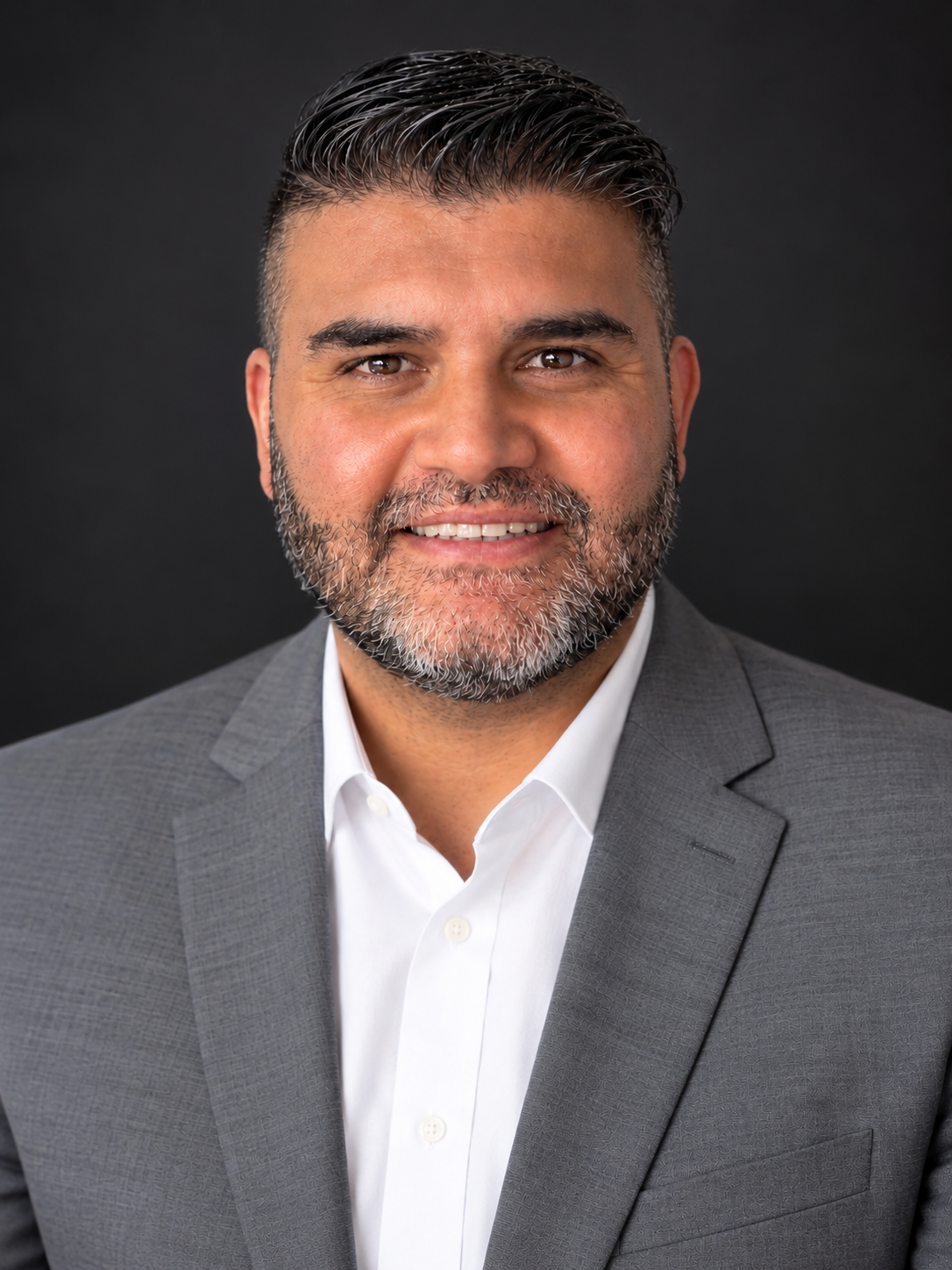
I’m Danny Benjamin, a licensed Mortgage Agent Level 2 with Mission35 Mortgages. I help families, professionals, and investors across Grimsby, Hamilton, Burlington, Oakville, Stoney Creek, St. Catharines and surrounding communities find the right mortgage solutions — not simply the lowest rate, but the right structure for their long-term goals.
Mortgage Services for Every Stage of Property Ownership

Buying a Home

Refinancing Your Mortgage

Mortgage Renewal & Switching
Mortgage Questions Ontario Homebuyers Ask Most
Buying a home comes with a lot of questions. Here are some of the questions I hear most often from homebuyers — and the answers you need to make confident mortgage decisions.
-
The amount you can afford depends on more than just your income. Lenders look at your income, existing debts, down payment, credit history, property taxes, condo fees and the mortgage stress test when determining how much you may qualify for.
But your maximum mortgage qualification isn't necessarily the same as what you should spend. I can help you understand both numbers so you can choose a home that fits your overall financial picture — not just what a lender says you can borrow.
-
Yes. Getting pre-approved before you seriously start shopping can help you understand your price range, estimate your payments and identify any potential issues before you make an offer.
A pre-approval can also help you move more confidently when you find the right home. Ideally, you should speak with a mortgage agent before you start house hunting, rather than waiting until you've already found a property.
-
The minimum down payment depends on the purchase price of the home. In Canada, you may be able to purchase a home with as little as 5% down, depending on the purchase price and your circumstances.
Your down payment can also affect your mortgage payment, mortgage insurance requirements and overall borrowing costs. There may also be options such as a gifted down payment, the FHSA or RRSP Home Buyers' Plan that could help with your purchase.
I'll help you understand your options and determine what down payment strategy makes the most sense for your situation.
-
Your down payment isn't the only money you'll need when buying a home. Closing costs can include land transfer tax, legal fees, title insurance, appraisal fees, adjustments and other costs depending on the property and your situation.
First-time buyers may also qualify for certain rebates or programs that can reduce some of these costs.
Before you make an offer, it's important to understand how much cash you'll actually need to complete the purchase. I can help you plan for the full picture — not just the down payment.
-
There isn't one credit score that guarantees mortgage approval. Lenders look at your overall financial situation, including your credit history, income, debts, down payment and the type of mortgage you're applying for.
A strong credit history can give you access to more mortgage options, but a less-than-perfect credit history doesn't automatically mean you can't buy a home.
If you're concerned about your credit, it's worth having a conversation before you start applying. Understanding your options early can help you avoid unnecessary credit inquiries and give you time to improve your position if needed.
-
A bank can offer you the mortgage products available through that institution. A mortgage agent can work with a range of lenders and mortgage solutions, depending on your situation.
The lowest rate isn't always the best mortgage. Features such as prepayment privileges, penalties, portability, flexibility and how the mortgage fits your long-term plans can all matter.
My job isn't simply to find a rate. It's to understand your situation, compare the available options and help you choose a mortgage that makes sense for you.
-
Yes. Being self-employed doesn't automatically prevent you from getting a mortgage, but proving your income can sometimes be more complicated than it is for a traditional employee.
Lenders may look at your tax returns, Notices of Assessment, business financials, bank statements and other documentation depending on your situation. How your income is structured and how much you write off can also affect how a lender assesses your income.
If you're self-employed, it's worth speaking with a mortgage professional before assuming you won't qualify. There may be lenders and mortgage solutions that can work with your specific circumstances.